Building the Ideal Custom Fruit and Vegetable Boxes: A Methodical Tutorial
Constructing custom produce boxes requires a deliberate method. Professionals must assess environmental impact, functionality, and visual appeal. Choosing the suitable materials is crucial for preserving quality and advancing environmentally conscious practices. Additionally, dimensions and form can significantly impact ease of use and shipping effectiveness. Impactful visual elements enhance company identity, while thorough assessment ensures durability. Understanding these elements will reveal key insights into producing standout packaging solutions that resonate to customers. What comes next is essential to achieving those goals.
Choosing the Right Components for Custom Produce Boxes
When selecting materials for custom produce boxes, it is important to examine both practical use and environmental consideration. The selection of material substantially impacts the box's wear resistance, weight, and ability to protect the contents. Common materials include corrugated cardboard, which offers strength and is able to be reused, making it a favored choice for environmentally conscious businesses. Biodegradable options, such as molded pulp or plant-based plastics, also correspond with eco-conscious practices while providing adequate protection for delicate produce.
In addition, moisture resistance is essential for maintaining freshness, prompting some creators to explore treated materials or tailored protective barriers. The visual quality of the box should not be overlooked, as branding and visual presentation can sway market perception. Ultimately, the right material should maintain proportion between protecting the produce, appealing to customers, and adhering to environmental standards, making sure that effectiveness and environmental consciousness are stressed in the planning phase.
How to Identify the Right Size and Shape for Functionality?
When selecting the size and shape of custom produce boxes, thorough evaluation of produce measurements is crucial for effective storage. Additionally, considerations for handling and transport can impact the box structure, ensuring ease of movement. Maximizing storage space utilization further enhances functionality, allowing for efficient display and storage.
Assess Produce Dimensions Carefully
Determining the proper size and shape for vegetable containers is vital for smooth operations and productivity. Thorough assessment of produce dimensions is essential, as it makes sure that items fit additional resource tightly without unnecessary space that might cause damage during warehousing and delivery. Made-to-order containers need to handle various configurations, from tender fruits to large vegetables, while maintaining robustness. Additionally, the length and depth of the boxes should allow for proper layering and systematic organization, making the best use of space in distribution centers. A quality-built box not only protects the produce but also enhances consumer appeal for end customers. Ultimately, meticulous planning of dimensions supports minimizing waste and enriching supply chain experience in the product distribution.
Review Handling and Transport Methods
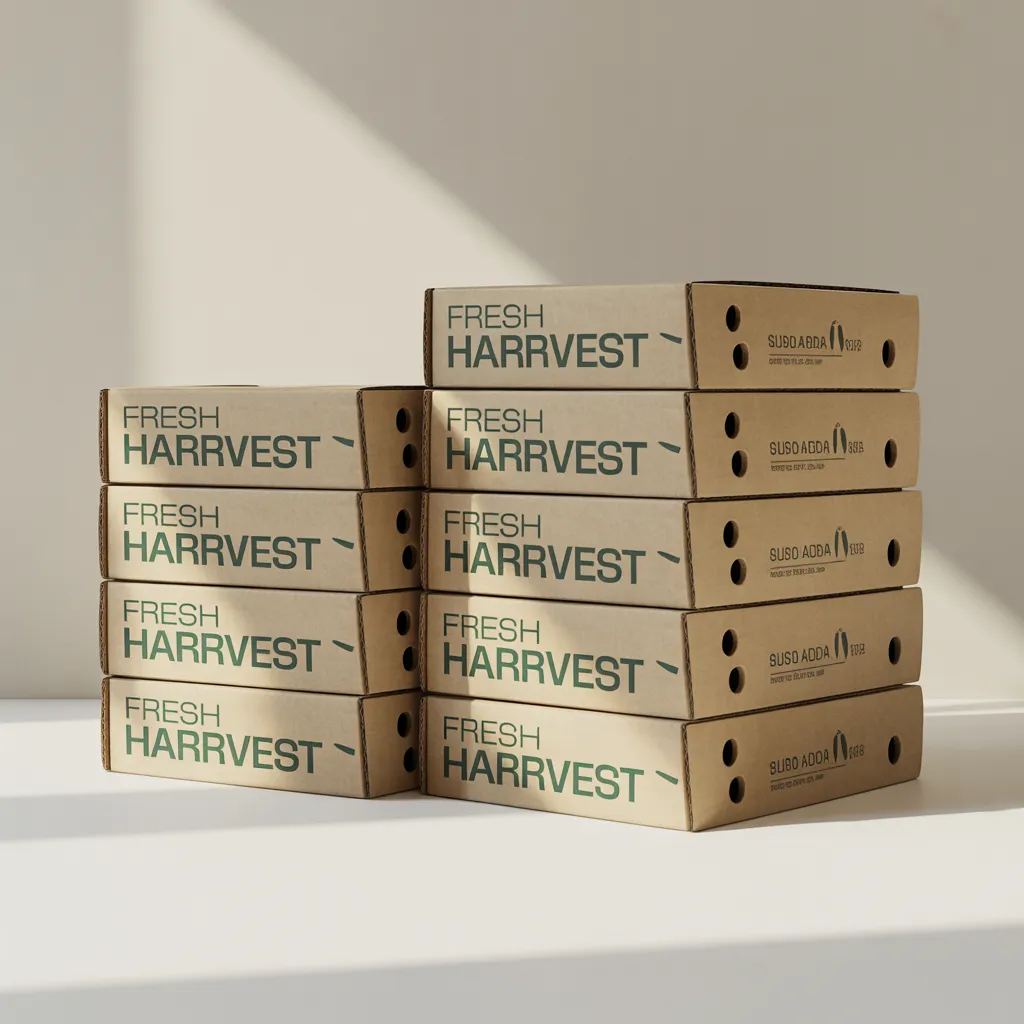
Handling and transport factors play a considerable function in ascertaining the appropriate dimensions and contour of custom produce boxes. The proportions must fit the items without excessive space, this could result in shifting and deterioration throughout transit. Compact boxes provide more straightforward handling, while bigger containers may be necessary when handling bulkier items. Moreover, proper ergonomics is essential; handles or openings must be positioned deliberately situated so as to provide comfortable hoisting and moving. The configuration of the packaging likewise affects nesting and stability, confirming where products remain secure. In conclusion, thoughtful review of these considerations enhances the streamlining of transport, lessens goods damage, and preserves the overall quality of the agricultural goods commencing at farm to consumer.
Improve Retail Space Optimization
Proper shelf space usage is determined by picking the best size and shape of custom produce boxes. Teams should review the proportions of the display racks as well as the kinds of foodstuffs being maintained. Rectangular boxes often advance efficient use of space, facilitating for better stacking and alignment. Yet, distinctive shapes can enhance attractive appearance but may produce unutilized areas if not well planned.
It's vital to examine the inventory turnover rate; quick-moving products might leverage compact, readily accessible boxes. In addition, applying flexible or customizable designs can support various dimensions of merchandise while refining shelf arrangement. By stressing functionality and aesthetic value, organizations can establish a practical and eye-catching presentation that improves both accessibility and visibility of goods.
How to Build Graphics That Get Notice?
Engaging graphics can transform a simple custom produce box into a stunning display that attracts attention. To accomplish this, creatives should start by selecting a color scheme that showcases the vitality and vibrancy of the produce. Bright, eye-catching colors can inspire feelings of freshness and wellness, compelling consumers to take a second glance.
Using bold typography is also essential; clear and legible fonts can successfully convey essential information while enhancing aesthetic quality. Additionally, using high-quality images of the produce can create an immediate connection, displaying the product's quality and enticing potential buyers.
Furthermore, incorporating distinctive designs and visuals can help differentiate the brand in a crowded market. Uniformity in visual components, such as logos and taglines, strengthens brand identity. Ultimately, a combination of innovation and precision in visual design can greatly enhance the impact of custom produce boxes, making them become prominent on shelves.
Sustainable Practices for Custom Produce Box Containers
A expanding volume of businesses are embracing eco-friendly techniques for custom produce box packaging, recognizing its importance in today's environmentally conscious market. These practices often include the use of organic materials, such as recycled paper and plant-based plastics, which minimize environmental impact. Companies are also focusing on sustainable sourcing, ensuring that materials are obtained from responsibly managed forests or suppliers who support environmental stewardship.
Additionally, many brands are choosing simple designs that reduce waste while still successfully showcasing their products. This strategy not only attracts environmentally aware consumers but also helps in lowering production costs. Moreover, businesses are increasingly implementing efficient manufacturing processes that limit energy consumption and waste generation. By integrating these eco-friendly practices, companies not only enhance their brand image but also contribute positively to the planet, matching their operations with a sustainable future.
Examine Your Tailored Produce Box Design
Testing the layout of personalized vegetable containers is an essential step in ensuring they satisfy both aesthetic and practical needs. This procedure typically involves evaluating factors such as durability, size, and usability. First, samples should be created to assess the container's physical stability, ensuring it can withstand shipping and storage without damaging the products.
Next, usability tests can be conducted to assess how easily the boxes can be unlocked, sealed, and arranged. Input from prospective customers can be priceless in this phase, offering insights into the box's functionality.
Moreover, the design's visual appeal should be tested through focus group discussions or customer surveys, determining consumer reactions to branding elements, colors, and complete visual presentation.
In the end, comprehensive testing permits designers to refine the box, ensuring it not only attracts customers but also effectively protects and presents the produce within, achieving the right balance between form and function.
Advertising Your Custom Produce Boxes Effectively
Impactful promotion of custom produce boxes demands a well-planned strategy that highlights their unique features and benefits. Companies must focus on identifying their target audience, whether they are local farms, grocery stores, or individual consumers. Utilizing social media platforms can amplify market visibility, showcasing the boxes' design and practicality through engaging visuals and storytelling.
Furthermore, teaming up with community leaders and farm operators can boost reputation and extend market presence. Presenting promotions or discounts during seasonal peaks can bring in initial clients and stimulate repeat business.
Moreover, emphasizing environmental consciousness and green initiatives in advertising content can appeal to eco-minded customers. Delivering detailed information about the materials used and the positive aspects of personalized packaging options can better position the product in an increasingly competitive landscape.
Ultimately, a thorough marketing strategy that combines online and community-based efforts will successfully promote custom produce boxes, attracting a diverse clientele and driving sales.
Popular Questions Asked Often
What Do the Charges Linked to Custom Produce Box Development?
Fees regarding custom produce box design contain materials needed, print production, labor, and freight. Also, design services and minimum order quantities can modify total costs, creating varying prices based on individual specifications and manufacturing scale.
What Time frame Is Needed to Produce Custom Boxes?
Manufacturing of custom boxes generally requires two to six weeks. Important elements shaping this timeframe involve design intricacy, sourcing of materials, and production capacity, all of which can influence delivery schedules and delivery windows.
Is it Feasible to Buy a Small Quantity of Tailored Produce Boxes?
Yes, small amounts of custom produce boxes can typically be ordered. Many distributors offer minimum order quantities, allowing businesses or individuals to obtain tailored packaging options without needing to pledge to substantial amounts at the start.
Which Common Missteps Need Avoiding in Tailored Box Design?
Frequent errors in custom box layout encompass overlooking functionality, disregarding brand consistency, undervaluing material quality, not considering target audience preferences, and overlooking environmental impact. Each aspect is vital for successful packaging and customer satisfaction.
How Do I Verify That My Boxes Are Food-Safe?
To guarantee boxes are food-safe, one must select materials approved for food contact, prevent dangerous inks and adhesives, keep cleanliness during production, and frequently check for compliance with health regulations and safety standards.